

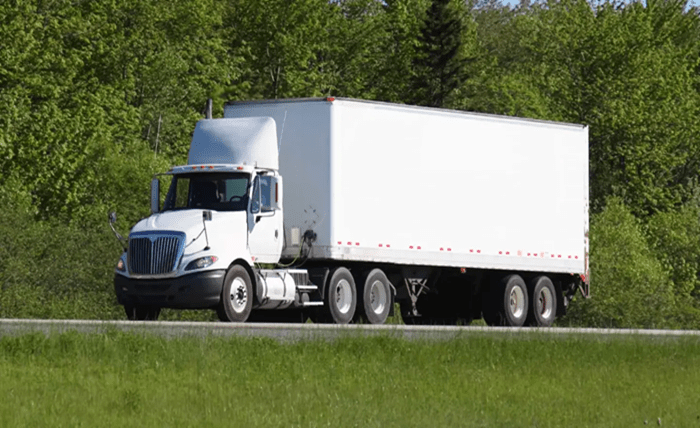
If you’re actively searching for new commercial trucks for sale, you’re likely hoping to balance performance, long-term value, and the ability to handle expanding operational demands. Today’s commercial trucking landscape is evolving fast, driven by better fuel efficiency, smarter technology, and reliability standards that weren’t available a few years ago. Whether you’re a growing business replacing old units, a contractor scaling operations, or a fleet manager optimizing your lineup for 2025, choosing the right truck isn’t just a purchase — it’s an investment into smoother logistics, better productivity, and long-term profitability.
Understanding What “New Commercial Trucks for Sale” Really Means Today
Shopping for commercial trucks in 2025 isn’t the same as browsing the market even two or three years ago. Manufacturers have shifted their focus toward durability, emission compliance, and integrated tech features that make fleet management easier. When you browse new models, you’re looking at machines built to reduce downtime, control fuel costs, and support safety-driven operations.
Today’s trucks also offer far more customization, which is especially important for industries like construction, delivery services, agriculture, long-distance hauling, and municipal work. The right configuration can increase job efficiency significantly without increasing workload.
Why Businesses Are Upgrading to Newer Models
A large portion of companies are moving toward fresh inventory simply because older trucks can’t keep up with present-day performance needs. Businesses don’t just want horsepower — they want dependable uptime, improved torque, and more adaptable chassis options.
Another driving factor is technology. Features like advanced braking systems, digital telematics, route optimization, better driver information screens, lane safety assists, and remote diagnostics weren’t standard before. Now they can make the difference between a truck that makes you money and one that costs you money.
Fuel efficiency is also a major consideration. Even a small improvement in miles per gallon can dramatically lower operating costs over an entire fleet. Combined with newer emissions-compliant engines, the financial and environmental benefits are clear.
Choosing the Right Type of Commercial Truck
The “right truck” fully depends on your operations. While many buyers come in thinking they know exactly what they need, exploring different categories can help you discover better fits or upgraded capabilities you may not have considered.
Light-duty commercial trucks are ideal for urban delivery, service businesses, maintenance teams, and short-distance tasks.
Medium-duty trucks are the backbone of municipal services, tow businesses, utility operations, and regional delivery fleets.
Heavy-duty trucks serve large construction firms, freight companies, agricultural operations, and anyone dealing with bulk transport or long-haul commitments.
Your workload, the terrain you deal with, and how many hours a day your trucks operate will all influence the best options.
Factors You Must Consider Before Purchasing
Before finalizing any commercial truck purchase, there are a few critical factors that make the difference between a great investment and an expensive mistake.
One of the first considerations is payload capacity. You must choose a configuration that safely and legally transports your heaviest loads. Engine power matters, but the weight rating matters more.
Next, think about fuel type. Diesel remains popular for torque and distance, but gas-powered commercial trucks have come a long way. Some regions even offer incentives for more efficient models.
The transmission also plays a role in driver comfort and long-term maintenance. Automated transmissions are becoming more popular because they help reduce driver fatigue and keep fuel consumption consistent.
Cab configuration is another often-overlooked detail. A single-cab may seem sufficient, but a crew cab can support growing teams or future operations without requiring additional vehicles.
And finally, consider your maintenance capacity. Newer models often come with better warranties and support, which can dramatically lower risk during the first several years of ownership.
The Role of Technology in Modern Commercial Trucks
Telematics systems are transforming how fleets operate. Built-in diagnostics, real-time monitoring, idle tracking, predictive maintenance, and location data help businesses reduce downtime and improve safety.
Even smaller companies benefit from technology that used to be exclusive to large fleets. For example, trucks equipped with collision avoidance can prevent costly accidents, while digital fleet management dashboards make record-keeping and compliance easier.
Whether you’re buying one truck or twenty, these features matter because they ripple through your entire workflow.
Financing Options for New Commercial Trucks
Many businesses want to expand their fleet but hesitate due to upfront costs. Fortunately, the market offers several financing and leasing options that reduce financial strain.
Some buyers opt for a traditional loan to own the truck outright. Fleet managers often prefer leasing, which allows for easier upgrades and predictable monthly payments. Others choose balloon financing, which lowers monthly costs during the early usage period.
When shopping for financing, also look out for manufacturer incentives, seasonal promotions, or upgrade bonuses for trading in older trucks. These can significantly reduce overall spending.
Why Buying New Is Often More Cost-Effective Than Used
Although used trucks can feel attractive due to their lower upfront price, they often come with hidden costs. Older trucks can require more frequent repairs, replacement parts, downtime, and compliance-related updates.
New commercial trucks usually offer improved engine life, more durable parts, and longer warranties that save money long-term. When factoring in fuel savings, lower maintenance, and higher reliability, many businesses find that new models deliver a better return on investment over the next five to seven years.
Preparing Your Business for Its New Fleet
Before your new units hit the road, ensure that your business has the right structure in place. This includes trained drivers, mapped routes, updated safety protocols, and a maintenance schedule.
Drivers should receive proper orientation to the new systems inside the truck. Even minor features like improved visibility or added sensors can change how trucks operate day-to-day.
A well-organized rollout ensures your new vehicles start adding value immediately.
Final Thoughts
Finding new commercial trucks for sale is easier than ever, but choosing the right one requires thoughtful consideration. Look beyond just the sticker price and focus on long-term durability, operational efficiency, and the ability to support your business over the next decade.
The right truck elevates your workflow, reduces stress, improves transport safety, and ultimately strengthens your bottom line. Whether you’re purchasing a single vehicle or updating an entire fleet, a smart investment now pays off in reliability and performance for years to come.