

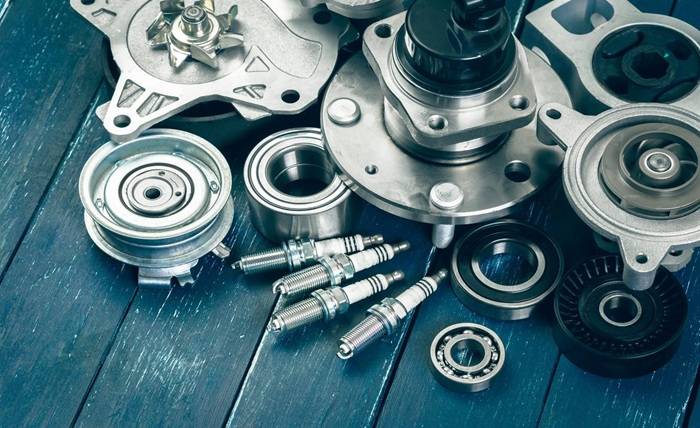
OEM auto parts are becoming the preferred option for car owners who want reliability, long-term performance, and a perfect fit for their vehicles. With growing awareness around the importance of correct replacements during repairs, OEM auto parts continue to dominate the market. Whether you recently bought a new car or are maintaining a well-loved older model, understanding the value behind these manufacturer-approved components can help you make smarter decisions and avoid costly issues in the future.
Choosing replacement parts often comes down to two categories: Original Equipment Manufacturer parts or aftermarket alternatives. While both have their roles in the automotive industry, OEM auto parts have strong advantages that make them the top choice for drivers who prioritize safety and consistency. This blog explores what OEM parts really are, how they differ from aftermarket products, and the genuine benefits that make them worth the investment.
What Are OEM Auto Parts and Why Do They Matter
OEM auto parts are components manufactured by the same company that produced the original parts used in your vehicle. These are the exact parts that were installed at the factory during assembly. When a technician recommends OEM replacements, they are referring to components that match your vehicle’s specifications perfectly.
The automotive world is diverse. Between various engine sizes, model trims, and year-to-year upgrades, even the smallest part can significantly affect performance. OEM suppliers work directly with the vehicle manufacturer to ensure every part integrates seamlessly into the car’s design. This guarantees the right dimensions, weight, electrical compatibility, and safety standards.
Imagine replacing a brake rotor. While aftermarket versions may appear similar, variations in thickness or material quality can impact braking power. OEM auto parts ensure consistency and preserve the engineering intent of the original vehicle.
The Core Difference Between OEM And Aftermarket Parts
To understand the real value of OEM auto parts, we must look at how they compare with aftermarket components. Aftermarket parts are built by third-party companies and are not directly associated with the original automaker. These parts are typically designed to fit multiple vehicle models, which can lead to compromises in precision.
OEM manufacturers focus on high-quality raw materials and performance testing as required by the car brand’s strict standards. They do not aim to modify or reinterpret the design because the focus remains on replicating the original function exactly. This makes OEM parts highly trusted in certified repair centers and service facilities.
On the other hand, aftermarket parts vary greatly in price and quality. While some well-known aftermarket brands produce decent alternatives, others prioritize cost reduction and mass compatibility. Drivers who choose aftermarket parts may save money upfront but risk lower durability or mismatched vehicle behavior. This difference becomes particularly noticeable in crucial systems such as the engine, suspension, and braking.
Certified Quality And Warranty Protection
One of the strongest reasons drivers choose OEM auto parts is the peace of mind that comes with certified quality. Car manufacturers enforce rigorous safety protocols for every part that carries their brand. Testing phases ensure each component meets precise fitment and performance expectations. When a customer purchases an OEM replacement, they know they are getting the same integrity the vehicle was built with.
In addition to quality, OEM parts often include manufacturer warranties. This protects drivers from unexpected failures and ensures that servicing remains properly documented. When vehicles are maintained using OEM parts, they also retain better resale value. Buyers trust cars that are repaired with genuine components since it reflects proper care and adherence to factory guidelines.
Aftermarket parts usually lack such certainty. While some companies provide limited warranties, the coverage is rarely as comprehensive. OEM auto parts keep drivers protected and reduce long-term repair risk.
OEM Auto Parts Maintain Original Performance And Safety
Every vehicle is engineered as a complete system. When one element is changed, it can influence overall behavior. OEM auto parts are crucial for preserving the original driving experience. For example, replacing suspension parts with aftermarket alternatives may alter handling, height, or comfort. Subtle differences can make a car feel less stable or predictable on the road.
Safety is also closely tied to correct component selection. In systems like airbags, sensors, and braking, precision is non-negotiable. OEM components ensure compliance with global safety regulations and crash-test standards. When these parts are replaced with uncertified versions, vehicle safety ratings can be compromised.
In essence, OEM parts keep your car running as the manufacturer intended. The steering response, acceleration patterns, and stopping power remain consistent, providing confidence for everyday driving.
Better Availability And Trusted Installation Through Authorized Dealers
Many drivers assume aftermarket parts are easier to find because of the number of third-party suppliers. However, OEM auto parts are now widely available through authorized dealerships, certified service centers, and specialized online stores that carry official components. This expansion in distribution ensures faster availability and simplified buyer experience.
Technicians at authorized repair centers are trained specifically on vehicles from their brand. They understand how to install OEM parts correctly because they follow established factory procedures. This reduces installation errors and extends part lifespan.
With aftermarket options, drivers often rely on local mechanics who may or may not have familiarity with the brand-specific engineering approach. While skilled technicians can adapt, there is always a greater chance of incompatibility or improper fitting.
Long-Term Value And Cost Efficiency
OEM auto parts are usually more expensive than aftermarket alternatives, but the price reflects superior materials, precision, and warranty coverage. When evaluating total cost over years of ownership, OEM parts frequently turn out to be more economical. They last longer before needing replacement, reduce the likelihood of secondary mechanical issues, and help maintain higher resale pricing.
Take the case of an OEM car battery. It is engineered to match the electrical output and charging system requirements exactly. An aftermarket battery may initially cost less but could wear down faster or strain the alternator, leading to costly repairs.
Maintenance is an investment, and OEM components support long-term savings by reducing repetitive breakdowns. Many insurance companies also prefer OEM replacements, especially for post-accident repairs involving structural or safety-critical parts.
Ideal For Newer Vehicles And Warranty Compliance
Modern vehicles include electronic modules, advanced sensors, and integrated safety systems. Even minor deviations in component design can affect how these systems communicate and function. OEM auto parts ensure compatibility with the latest technology.
For vehicles still under factory warranty, OEM parts are often mandatory to maintain compliance. Unauthorized changes using aftermarket parts could void warranty terms and create future disputes with insurance providers or dealers. Using OEM for scheduled maintenance protects financial and legal coverage.
As automotive technology evolves, precision matters even more. The more advanced the car, the more essential factory-approved parts become.
Sustainability And Environmental Responsibility
Many car manufacturers emphasize environmentally responsible production. OEM suppliers often follow strict sustainability guidelines, reducing waste and ensuring responsible material sourcing. When drivers replace parts with genuine components, they support an eco-friendly supply chain focused on recyclability and carbon footprint reduction.
Aftermarket parts do not always align with sustainable processes because they prioritize cost reduction and multi-model compatibility. Choosing OEM parts contributes to a greener automotive future.
Conclusion: A Smart Choice For Every Driver
OEM auto parts deliver value beyond a simple replacement. They protect performance, preserve safety, and ensure reliability for the lifetime of your car. Drivers who prioritize long-term satisfaction, peace of mind, and true engineering integrity will always see the advantage in choosing parts that come from the original manufacturer.
Whether you are repairing damage, performing scheduled maintenance, or restoring an older vehicle, OEM auto parts provide confidence through precision and proven results. They uphold the promise that your vehicle will continue to perform just as it did the day it rolled off the assembly line.